.png)

DOMAIN OUTDOOR — MORE THAN A FOOD PLOT, IT’S A LIFESTYLE.
Take your land to the next level with premium seed blends, food plot-enhancing liquids, high-quality feed, and nutritional supplements built for year-round nutrition and performance.
Domain Outdoor products are designed to deliver results you can see and trust, helping you create healthier habitat, stronger growth, and legendary performance season after season.
Stop settling for average — transform your property into your own Domain. Available now at Kleist Acres Pheasant Farm, where we are ready to help.
Your property deserves more — elevate it with Domain Outdoor.

What is the best food plot to plant?
That’s a great question, and the answer really depends on several factors — your location, goals, planting timeframe, and the size and number of food plots you plan to establish. The Food Plot Selector Guide can help identify the best option based on your specific needs and situation. From experience, one of the biggest keys to keeping deer on your property year-round is providing variety. That’s why many of Domain’s products feature carefully designed forage blends formulated to deliver attraction, nutrition, and performance throughout the seasons.
What is Frost Seeding and How Do You Do It?
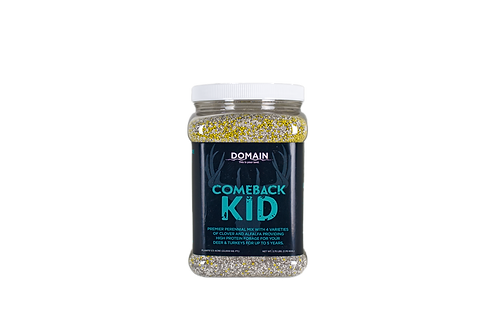
Frost seeding is a late winter to early spring planting method that can be an effective way to establish cool-season perennials, such as Hot Chic or Comeback Kid, without the need for spring tillage. The process works by taking advantage of natural freeze-thaw cycles that create ideal seed-to-soil contact.
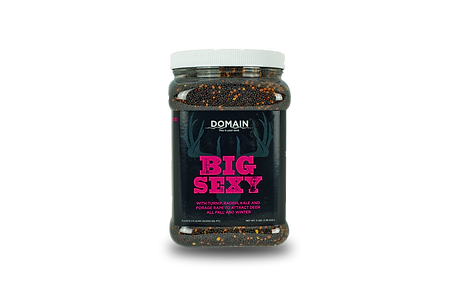
Start by selecting an area with minimal weeds and debris. Ideal locations include food plots prepared the previous fall or areas where a brassica blend, such as Big Sexy, was planted and grazed down, leaving exposed soil. Once your area is ready, choose your preferred frost-seeding blend. Cool-season perennial mixes are often a great option for this approach.
Using a hand or broadcast spreader, apply seed at approximately 1.5 times the standard recommended seeding rate. In Wisconsin, frost seeding is commonly done in late March, typically with little to no snow cover, although up to about an inch of snow can still work well. The key is watching weather patterns and targeting an extended freeze-thaw cycle — freezing temperatures overnight followed by daytime thawing. As the soil expands and contracts, it naturally pulls seed into the ground, creating excellent seed-to-soil contact without additional field work.
Once seeded, the seed remains dormant until soil and air temperatures become favorable for germination. This creates a rapid spring green-up and provides an early source of highly nutritious forage for deer coming out of winter stress. March and April are especially important months for whitetails, as bucks begin antler development and does support growing fawns. Providing fresh, protein-rich forage during this critical period can have a significant impact on herd health and development.